 Q. On November 9, we celebrate the dedication of the Lateran Basilica in Rome. Why is this particular Roman church so important?
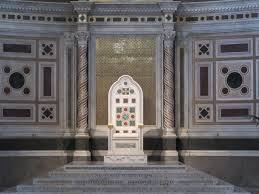
A. It would surprise many Catholics to learn that the official cathedral of the Pope is not St Peter’s in Rome, but rather in the Basilica of St John Lateran. The bishop’s chair is known as the “cathedra” (the term “cathedral” is derived from this). Hence, the cathedral in each archdiocese is the “mother church” of the diocese, because this is where the bishop’s “chair”, or “cathedra” resides.
In Saint Michael’s Cathedral in Toronto, for example, one can view the “cathedra” of Cardinal Thomas Collins, our Archbishop. The insignia of his episcopal coat of arms is embossed into the very fabric of the chair. In the same way, the Lateran Basilica is the home of the “cathedra” of the Pope, the Bishop of Rome and earthly head of the Universal Church. Thus, the Lateran Basilica is, in a very real sense, the “mother church” of the entire world. If the Holy Father were to speak ex cathedra (“from the chair”) in a solemn dogmatic statement, it would be from St John Lateran.
Q. What is the connection of this Feast with today’s Mass readings?
A. The first reading, from the book of Ezekiel, speaks of the Temple of Jerusalem. “Living waters” flow from it, irrigating the earth. This is a metaphor for the Holy Spirit, bringing supernatural life to the world. The source is God, and his unique dwelling place on earth in the Old Covenant period was in the Temple.
Jesus Christ, in his physical Body, became the true dwelling place of God on earth in the New Covenant. In the sacred humanity of Christ, God “pitched his tent”, or “tabernacled” among us (John 1:14; the tabernacle was the forerunner of the Temple for the Israelites). This is one of the points Jesus makes in today’s Gospel reading from John 2.
But Jesus also has a “Mystical Body” – the Church, of which all the baptized are members. Because we have received the very life of God via the Holy Spirit’s action in the Sacraments, we too, as long as we remain in a state of grace, are “temples” of God on earth. God truly lives within us! We are “partakers of the divine nature” (2 Peter 1:4).
This is why a Theology of the Body, as Pope St John Paul II so tirelessly proclaimed, is so crucial. As St Paul writes in today’s reading from 1 Corinthians 3: “Do you not know that you are the temple of God, and that the Spirit of God dwells in you?” If more Catholics realized this, they would fastidiously avoid sin. As Alexander MacLaren so memorably proclaimed in the 19th century, in words that are just as relevant today:
“Christianity reverences the body; and would teach us all that, being robed in that most wonderful work of God’s hands, which becomes a shrine for God Himself if He dwell in our hearts, all purity, all chastisement and subjugation of animal passion is our duty. Drunkenness, and gluttony, lusts of every kind, impurity of conduct, and impurity of word and look and thought, all these assume a still darker tint when they are thought of as not only crimes against the physical constitution and the moral law of humanity, but insults flung in the face of the God that would inhabit the shrine.”
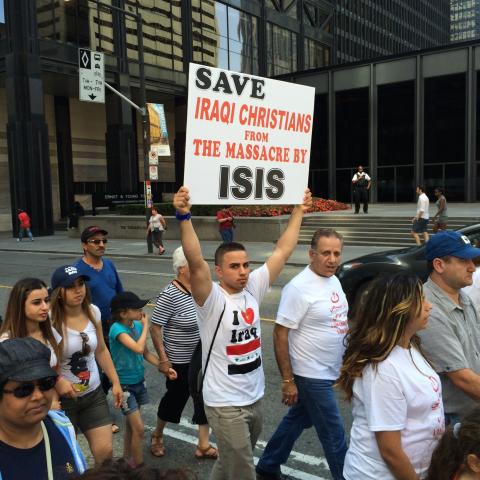 Following talks that I’ve given lately, I’ve fielded a lot of questions about the persecution of Iraqi Christians. All of us have been horrified by what we’ve heard; very often we’re at a loss about what to do. Josh Canning over at
 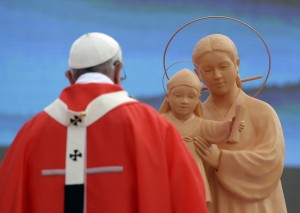 The Holy Father highlights the need for reconciliation, which is of particular concern for the future of the Korean peninsula.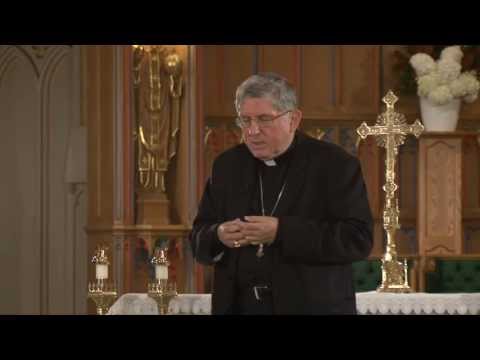
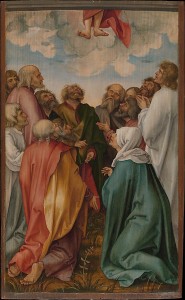 Q. What are some things we can learn from this Sunday’s Feast of the Ascension of the Lord?
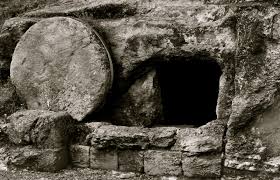 Q. This Easter season, how can I convince my friends that Jesus physically rose from the dead? It’s been especially difficult for me to do this because my friends are either a) not Christians, or b) they don’t believe the Bible is the Word of God. They simply think it’s a merely human book that contains things Christians believe.
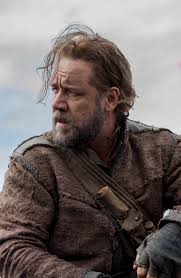 Q. The movie Noah, starring Russell Crowe, has inspired me to look into the biblical Noah. What does the Bible say about Noah and the Flood in Genesis 6:5-8:22?
 A question I get asked a lot, especially because of my work with new converts, is “What are the things I should be doing to live an effective Christian life?” What these people are essentially looking for is a skeletal structure for their life, so that their faith becomes integrated into it, not an add-on.
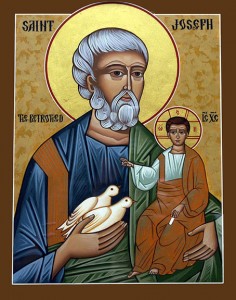 Today, March 19, Holy Mother Church gives her children a treat amidst our regular Lenten practices. There are a couple of solemnities that usually fall on Lenten weekdays. One is the great Feast of the Annunciation on March 25. The other is today’s Feast of Saint Joseph, patron of the universal Church.