

This Sunday is the Church’s “New Year’s Day”, as it were. It’s not only the first Sunday of Advent, but also the beginning of a new liturgical year in the Church. It’s a great time to start over, start fresh, and try to live our faith better. So, as we make our Catholic “New Year’s resolutions” about how to live Advent well, we need to keep some important points in mind:
The first thing we need to remember is that the season of Advent is not the season of Christmas! This is very difficult for us to do, because our culture has completely forgotten this truth. The culture at large wants to either A) eliminate all religious references to the season at all – for example, calling it simply the “Holiday Season”, or B) celebrating Christmas prematurely, within the season of Advent.
In the first case (A), cultural relativism – with a particularly virulent hatred for Christianity – seeks to eliminate all references to the divine at this time of year. But we really can’t escape the truth. Even the word “holiday” actually means “holy day”.
However, for Catholics, the second problem (B) is much more of a temptation. It has become quite common for people to “pull back” the feast of Christmas into Advent. The Church teaches us that Advent is actually (much like Lent) a season of penitential preparation for the great Feast of Christmas. This is one reason why many dioceses have an annual “Advent Confessions Day”, just as in Lent. This is also why Mass readings during Advent focus on the Second Coming of Christ and the Great Judgment – we need to put our lives in order and be ready to meet the great King.
The Church even encourages fasting during Advent. Without a fast, there can be no feast at Christmas. Other penances, like prayer and giving to the needy, get us spiritually ready for Christmas (cf. CCC 1434).
In stark contrast, cultural practices like office Christmas parties and other festive gatherings prior to Christmas encourage sumptuous feasting – and tragically, in so many cases, dissolute and downright dreadful debauchery. One should take to heart the words of Saint Paul from this Sunday’s second reading:
Brothers and sisters: You know the time; it is the hour now for you to awake from sleep. For our salvation is nearer now than when we first believed; the night is advanced, the day is at hand. Let us then throw off the works of darkness and put on the armor of light;
let us conduct ourselves properly as in the day, not in orgies and drunkenness, not in promiscuity and lust, not in rivalry and jealousy. But put on the Lord Jesus Christ, and make no provision for the desires of the sinful nature (Romans 13:11-14).
Prayer, penance, and preparation. That’s the recipe for living Advent well. The great Feast of Christmas will be all the sweeter for us as a result.
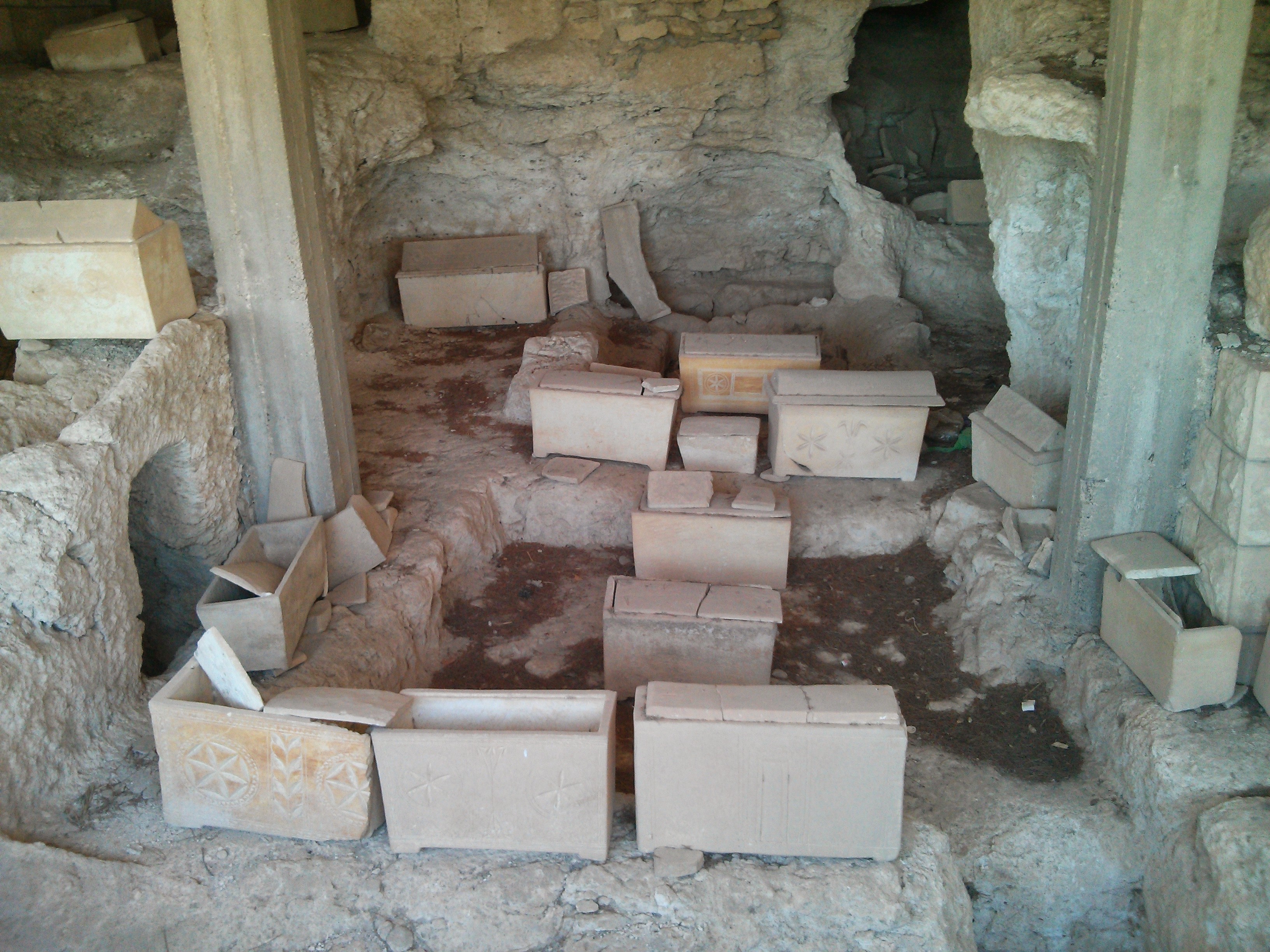
 My family and I had just spent a great day on Toronto’s Centre Island last week. We had just stepped off the boat that had taken us back to the harbourfront downtown, when we were confronted by about 2,000 Pokemon Go players, standing around in their virtual world, trying to catch a few more pocket monsters. Most of them were oblivious to the actual people trying to get by them and get home.
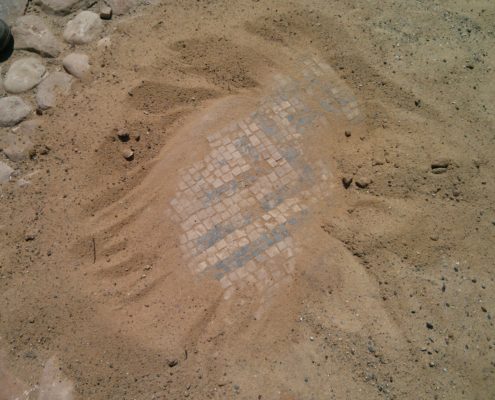 On this Feast Day of St. Mary Magdalene, I thought I’d let you know about the incredible excavation going on at her hometown – Magdala, known as Migdal in Hebrew. In 2013 and 2014, I had the privilege of visiting the work at Migdal, along with Dr. Craig Evans, Greg Monette, Dwight Crowell and Jesse Richards. Migdal, which was built just next to the Sea of Galilee, is an incredible archaeological find – it’s unique in that the entire first-century town has been unearthed.
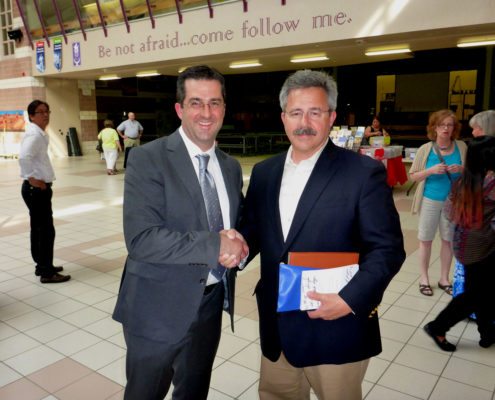 The Faith Explained Conference: Search and Rescue conference this summer was a great success! Hundreds gathered at Saint Joseph’s High School in Mississauga (in the greater Toronto area) to hear Patrick Madrid, Cardinal Thomas Collins, and yours truly talk about how to bring friends and family who have left the Catholic Church back home. Patrick’s the distinguished looking, mustachioed guy on the right (I call him the Catholic Church’s answer to Tom Selleck). I’d like to thank everyone who attended for being there, along with my amazing Faith Explained team, and all of our sponsors who made this event possible. I’d especially like to thank Cardinal Collins, EWTN, Verbum Catholic Bible Software, The Daughters of St Paul, and the Fulton J. Sheen Society for their support.
 Pliny the Younger is another valuable historical source for information on Jesus and the early Church. Pliny was the governor of the Roman province of Bithynia, located in Asia Minor. In the year 112 AD, he wrote to the Emperor Trajan, asking how he should deal with those in his region who have been accused of being Christians.