

 Q. What exactly is spiritual reading?
A. Spiritual reading is something every Christian should do on a daily basis. This is really something different than Scripture reading, which also ought to be done daily. Just as we make sure our bodies receive daily nutrition through food, we must feed our souls through various means. Reading is one of those means.
In reading, sometimes it is easier to concentrate on the message than it is when one is listening to a talk or watching a video. Usually reading is done by oneself, in a relatively quiet place, free from distractions. The message can often more easily “sink in”.
Spiritual reading is also not the same as reading in order to study the faith, although that is paramount as well. It is about improving the soul’s personal relationship with Jesus Christ. Very often, our spiritual reading provides “fuel” for our prayer, as we take note of things that strike us or speak specifically to us.
One way to look at spiritual reading is as a type of spiritual direction. In salvation history, God has always mandated that we be guided by others. Saint Paul had a supernatural encounter with Christ, but Jesus still commanded him to go and seek further direction from another man, Ananias, rather than revealing everything to Paul directly, although Jesus could have easily done so (Acts 9).
Of course, nothing can replace that one-on-one conversation in person with a director who you can open your soul to, and who can help you find the will of God in your particular situation. In spiritual reading, God uses a wise guide who knows the path to speak to you through the words you are reading.
Q. How much time should be allocated for this?
A. Spending about 10 minutes or so is a good target for spiritual reading. Spending about 5 minutes per day reading the New Testament would be ideal. Reading the Old Testament is obviously important as well, as it is God’s Word and God speaks through it as much today as ever. However, Christians simply must be familiar with the New Testament in order to understand their faith and explain it to others in their lives who question or doubt the truth of Catholicism. At times, it may be advisable to use the Old Testament for daily spiritual reading, while still keeping up with one’s New Testament reading.
Q. Where should I start? What books should I be looking for?
A. Father C.J. McCloskey has developed a Catholic lifetime reading plan, which can be found in various places online, including here:
http://www.catholicity.com/mccloskey/readingplan.html
Not all the books on this list are classified for spiritual reading – some are for study, some are for historical and cultural formation, but many are earmarked specifically as spiritual reading. Your spiritual director or a wise priest can help you select a book that might be best for you to begin with, or you can start the adventure by picking the one that looks most interesting to you. The important thing, as with most things, is simply to start!

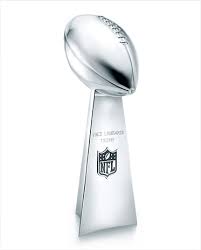 Many millions will watch the Super Bowl today. Many Christians might even feel guilty for doing so – afraid that watching sports is nothing more than a “waste of time”. As a big sports fan myself, I’ve heard that one over and over from friends and relatives who, intentionally or not, make me feel guilty for enjoying athletics.
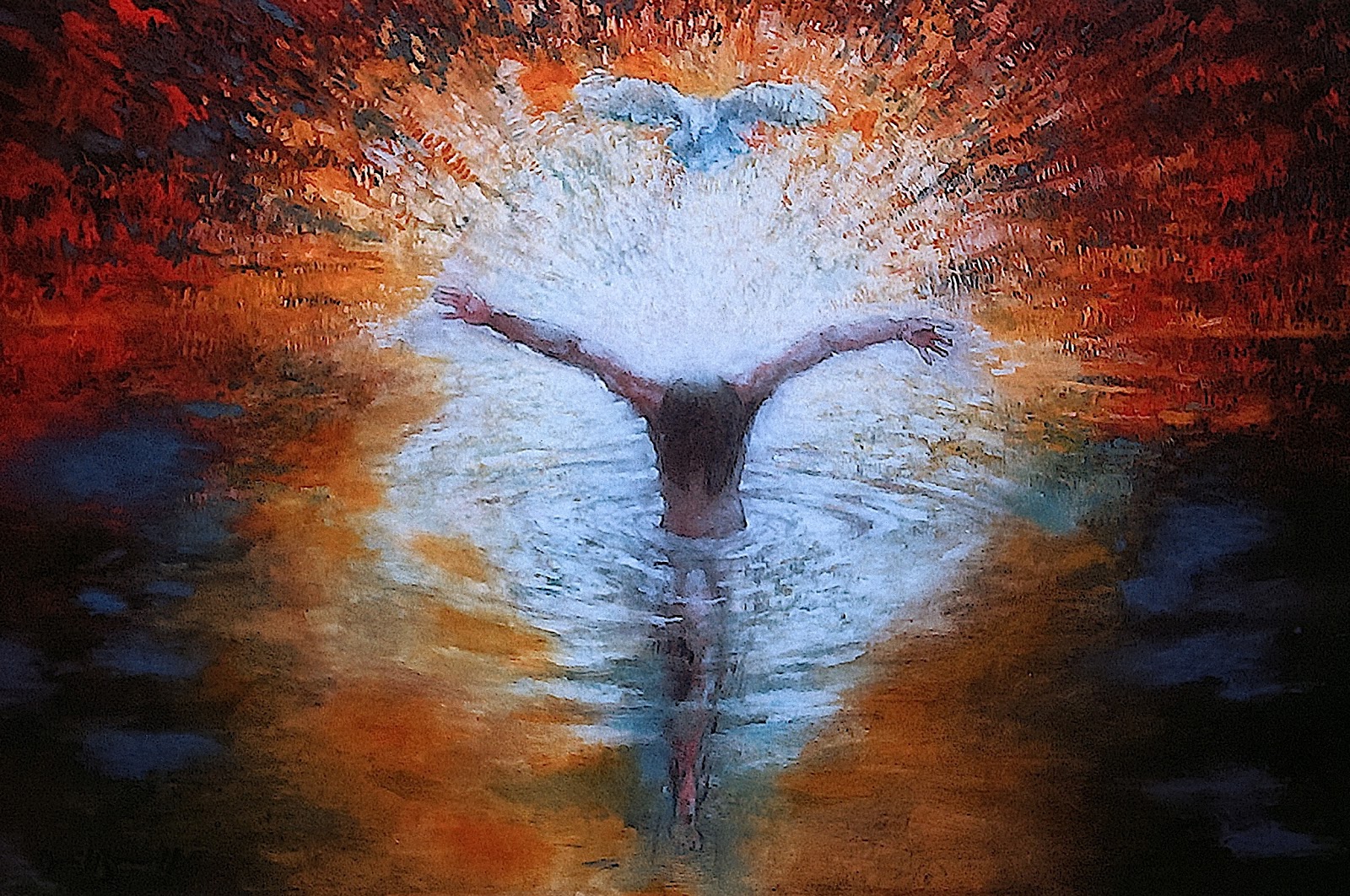 Q. This Sunday’s liturgical celebration of The Baptism of the Lord takes us back to the beginning of Jesus’ public ministry. How does his baptism relate to our own?
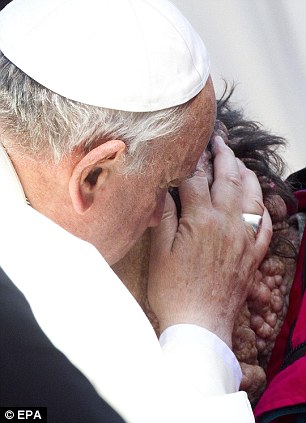 Today’s Gospel reading (Luke 5:12-16) features Jesus reaching out to touch and heal a leper, who was outcast in the society of his day because of his disfiguring illness. For me, this reading immediately brought to mind Pope Francis’ embrace of a severely disfigured man at the Vatican some months ago, which brought tears to the eyes of even the most jaded Vatican observers. This, in turn, evoked the Pontiff’s namesake, St Francis of Assisi, who famously kissed a person stricken with leprosy in his day.
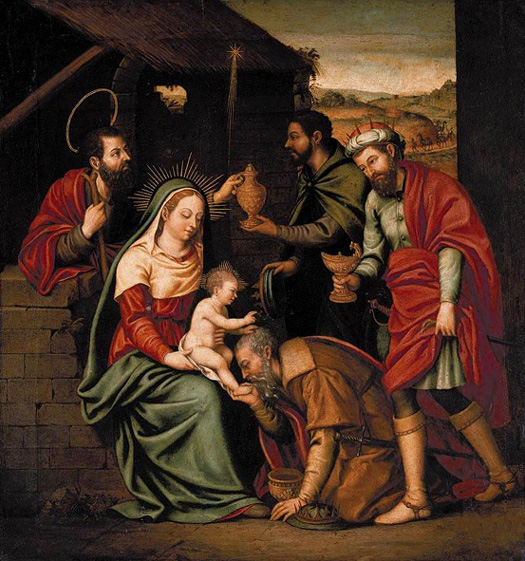 Q. Today we celebrate the Epiphany of the Lord. Can you explain the meaning of this feast?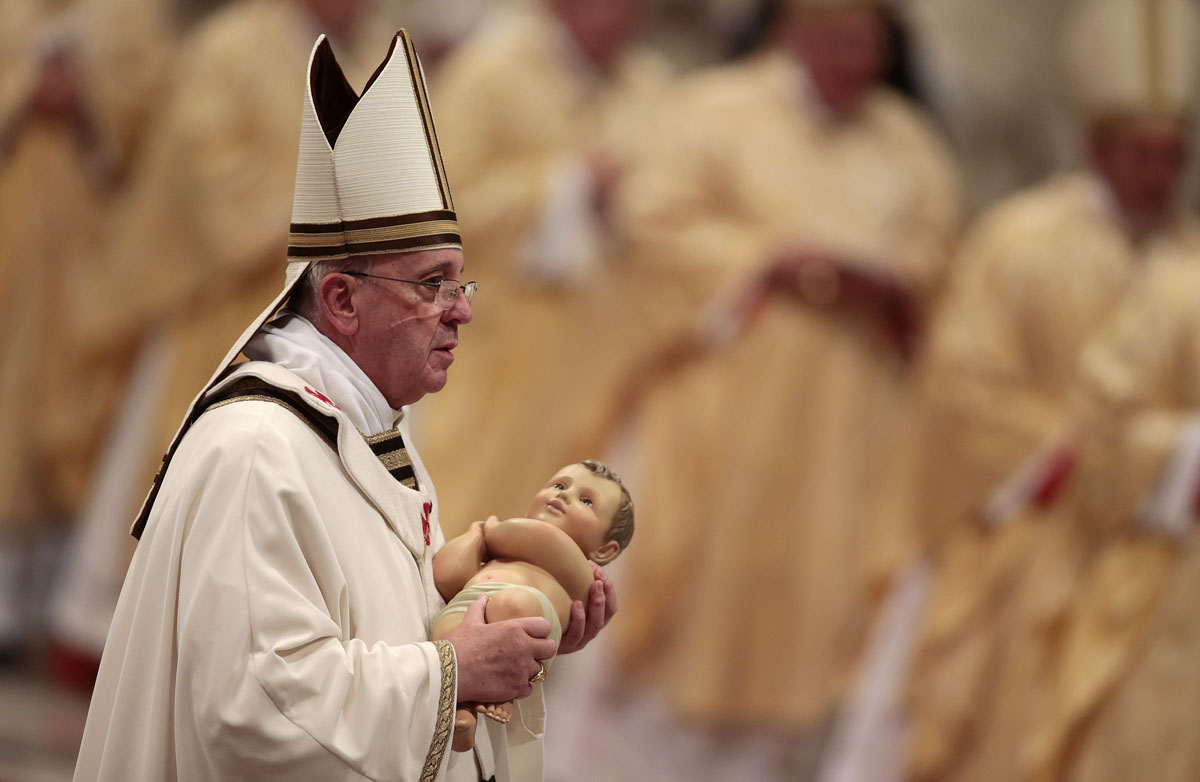
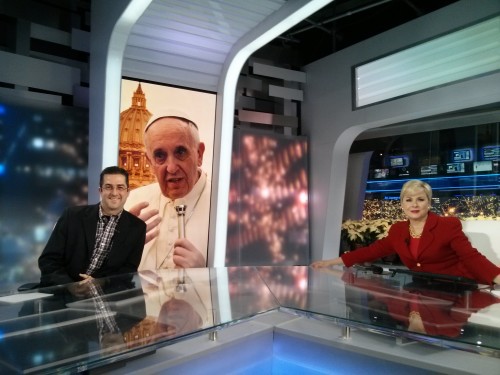 CTV News interviewed me about Pope Francis’ Christmas message to the Roman Curia (essentially those Church officials responsible for the internal functioning of key Vatican departments). Since my entire live interview on CTV News Channel with Jennifer Ward was not posted online (a brief, out of context clip appeared on the nightly National News broadcast with Lisa LaFlamme), I’m going to summarize my key points below. There has been a great deal of interest surrounding what the Pontiff said, which many have interpreted as a “stinging rebuke” by the Holy Father, that was “received coldly” by his audience. Is that really the case?
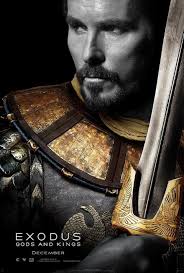 Q. We’ve seen a spate of biblically themed movies in theatres lately: Son of God, Noah (starring Russell Crowe), and now Exodus: Gods and Kings (featuring Christian Bale of Batman fame). Why do you think this is?
 Q. Can you tell us about the significance of this Sunday’s Gospel reading?